The World's Best Wine Cellars
Contents6
Wine has been enjoyed by people for centuries, and its popularity continues to grow. For wine enthusiasts and collectors, having a dedicated space to store and showcase their prized bottles is a must. This is where wine cellars come into play.
A well-designed wine cellar not only provides the ideal conditions for aging and preserving wine but also adds character to any home or establishment. In this article, we will explore the world’s best wine cellars, showcasing some of the best-known wine storage spaces around the globe.
We will also discuss wine cellar design ideas and provide tips for building your own wine cellar. So, let’s raise a glass and dive into the world of wine cellars.
The Importance of Wine Cellars
Wine cellars serve a crucial purpose in the world of wine. They provide the optimal conditions for storing and aging wine, allowing it to develop its full potential over time. Here are some reasons why wine cellars are essential for wine enthusiasts and collectors:
- Temperature Control: Wine requires a consistent and controlled temperature to age properly. The ideal temperature for storing wine is between 55°F and 59°F (12°C and 15°C). Fluctuations in temperature can cause the wine to spoil or age prematurely. Wine cellars are designed to maintain a stable temperature, protecting the wine from external influences.
- Humidity Regulation: Wine cellars also help regulate humidity levels. The ideal humidity range for wine storage is between 50% and 70%. Too much humidity can lead to mold growth, while low humidity can cause corks to dry out and allow air to enter the bottle. Wine cellars are equipped with humidity control systems to keep the environment right for wine aging.
- Protection from Light: Exposure to light, especially UV rays, can be detrimental to wine. It can cause chemical reactions that alter the wine’s flavor and aroma. Wine cellars are typically dark or equipped with UV-resistant glass doors to shield the bottles from light.
- Proper Ventilation: Wine cellars require proper ventilation to prevent the buildup of odors and maintain air circulation. This helps prevent any unwanted aromas from affecting the wine’s quality.
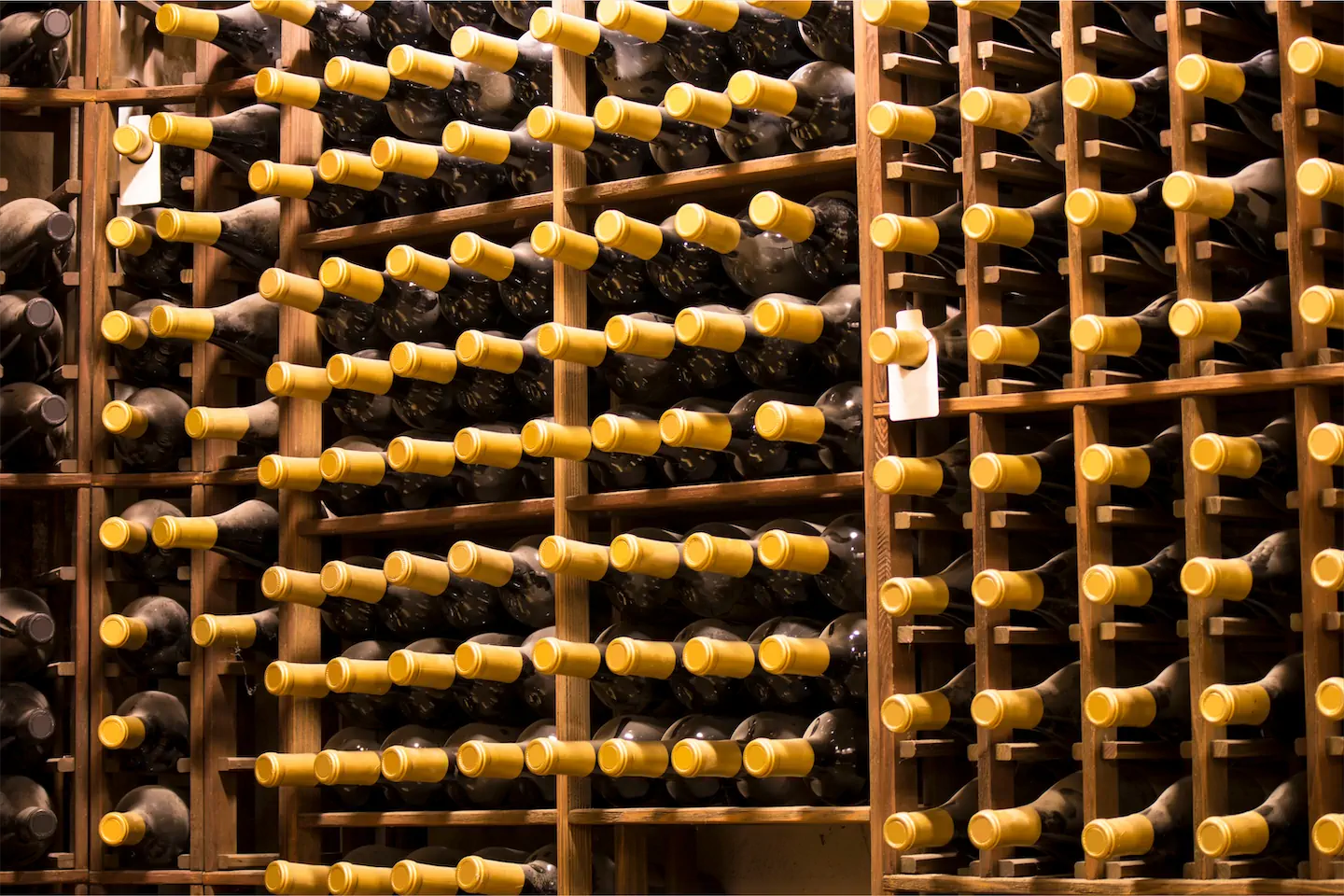
- Organization and Display: Wine cellars provide a dedicated space for organizing and displaying your wine collection. With various racking systems and storage options available, you can showcase your bottles in an aesthetically pleasing and easily accessible manner.
Factors to Consider in Designing Wine Cellars
Designing a wine cellar involves careful consideration of various factors to ensure the optimal storage conditions for your wine collection. Here are some key factors to keep in mind:
- Size and Capacity: Determine the size and capacity of your wine cellar based on the number of bottles you plan to store. Consider both current and future needs to accommodate any expansion of your collection.
- Location: Choose a suitable location for your wine cellar. It should be away from direct sunlight, heat sources, and areas with high humidity or temperature fluctuations. Basements, spare rooms, or dedicated spaces within your home are common choices.
- Insulation and Vapor Barrier: Proper insulation and a vapor barrier are essential to maintain a stable temperature and humidity level within the wine cellar. Insulate the walls, ceiling, and floor to prevent heat transfer and moisture buildup.
- Racking System: Select a racking system that suits your storage needs and aesthetic preferences. Options include wooden racks, metal racks, or a combination of both. Consider factors such as bottle size, accessibility, and ease of organization.
- Lighting: Install appropriate lighting in your wine cellar to enhance visibility and showcase your collection. Use LED lights or low-heat options to minimize heat emission.
- Temperature and Humidity Control: Invest in a reliable temperature and humidity control system to maintain the ideal conditions for wine storage. This may include a cooling unit, humidifier, and thermostat.
- Security Measures: Consider implementing security measures such as locks, alarms, or surveillance systems to protect your valuable wine collection.
- Tasting Area: If space allows, incorporate a tasting area within your wine cellar. This provides a dedicated space for sampling and enjoying your wines. By considering these factors, you can create a wine cellar that not only meets the technical requirements for wine storage but also reflects your personal style and taste.
- Aesthetics: Choose a design theme that complements your personal style and enhances the overall ambiance of your wine cellar. Consider incorporating artwork, decorative elements, or distinctive architectural features.
- Accessibility: Ensure easy access to your wine collection by organizing it in a logical and efficient manner. Labeling and categorizing your bottles can simplify the retrieval process.
- Professional Assistance: If you are unsure about the design and construction process, consider consulting with a professional wine cellar designer who can guide you through the entire project. By considering these factors, you can create a wine cellar that not only meets your storage needs but also becomes a focal point in your home.
The World’s Best Wine Cellars: A Showcase of Notable Cellars
Now, let’s take a virtual tour of some of the world’s best wine cellars, known for their design, architectural interest and notable wine collections.
Notable Cellar No.1: Château Margaux, France
Located in the Bordeaux region of France, Château Margaux is renowned for its wines and its wine cellar. The cellar, housed in a historic building, features vaulted ceilings, stone walls, and wooden racks that hold thousands of bottles of Château Margaux’s finest vintages. The cellar’s ambiance exudes elegance and sophistication, making it a must-visit destination for wine enthusiasts.
Notable Cellar No.2: Bodegas Vega Sicilia, Spain
Situated in the Ribera del Duero region of Spain, Bodegas Vega Sicilia is a legendary winery known for its exceptional red wines. The winery’s underground cellar, carved into the hillside, showcases rows of oak barrels and concrete tanks where the wines age. The cellar’s design blends traditional and modern elements, creating a distinctive atmosphere.
Notable Cellar No.3: Opus One Winery, United States
Opus One Winery, located in Napa Valley, California, is a collaboration between two iconic wine families, the Rothschilds and the Mondavis. The winery’s state-of-the-art wine cellar is a standout example of design and technology. It features a combination of traditional wooden racks and modern glass walls, allowing visitors to admire the impressive collection of Opus One wines while enjoying breathtaking views of the surrounding vineyards.
Notable Cellar No.4: Château Mouton Rothschild, France
Château Mouton Rothschild, a well-known winery in the Bordeaux region of France, has a wine cellar that reflects the estate’s rich history and winemaking heritage. The cellar, located in the heart of the château, houses an extensive collection of rare and valuable wines. With its vaulted ceilings, stone walls, and dim lighting, the cellar exudes a sense of timelessness and elegance.
Notable Cellar No.5: Antinori nel Chianti Classico, Italy
Antinori nel Chianti Classico, a renowned winery in Tuscany, Italy, is known for its exceptional wines and architectural marvels. The winery’s wine cellar, located underground, is a blend of tradition and innovation. It features a combination of ancient brick walls and contemporary glass panels, creating a visually striking space. The cellar’s design allows visitors to admire the vast collection of Antinori wines while immersing themselves in the beauty of the surrounding countryside.
Notable Cellar No.6: Domaine de la Romanée-Conti, France
Domaine de la Romanée-Conti, located in the Burgundy region of France, is home to some of the world’s most sought-after wines. The winery’s cellar, housed in a historic building, showcases the estate’s exceptional collection of Pinot Noir wines. With its stone walls, wooden racks, and atmospheric lighting, the cellar exudes a sense of tradition and reverence for winemaking.
Notable Cellar No.7: Penfolds Magill Estate, Australia
Penfolds Magill Estate, situated in Adelaide, Australia, is one of the country’s most iconic wineries. The estate’s underground cellar, carved into the hillside, is a testament to Penfolds’ winemaking legacy. The cellar features rows of oak barrels and showcases the winery’s renowned Grange wines. With its rustic charm and panoramic views of the vineyards, the cellar offers a memorable wine tasting experience.
Notable Cellar No.8: Bodega Catena Zapata, Argentina
Bodega Catena Zapata, located in Mendoza, Argentina, is known for its exceptional Malbec wines. The winery’s modern wine cellar combines functionality with architectural beauty. The cellar’s sleek design, featuring glass walls and minimalist aesthetics, allows visitors to admire the impressive collection of wines while enjoying panoramic views of the Andes Mountains.
Notable Cellar No.9: Château Lafite Rothschild, France
Château Lafite Rothschild is a well-known winery in the Bordeaux region of France. The winery’s underground cellar, housed in a historic building, showcases the estate’s exceptional collection of wines. With its vaulted ceilings, stone walls, and carefully arranged wooden racks, the cellar exudes a sense of timeless beauty and refinement.
Notable Cellar No.10: Screaming Eagle Winery, United States
Screaming Eagle Winery, located in Napa Valley, California, is renowned for its limited-production, highly sought-after wines. The winery’s wine cellar, nestled within the hillside, offers a serene and intimate space for aging and storing the estate’s wines.
With its stone walls, barrel vaulted ceilings, and rustic charm, the cellar reflects the winery’s commitment to craftsmanship and quality. These wine cellars show what careful cellar design can achieve.
They not only provide the right environment for aging and storing wines but also serve as notable examples of cellar architecture that showcase the beauty and artistry of winemaking.
Creative Cellar Designs
In addition to the world’s best wine cellars, there are numerous creative designs that go beyond traditional wine storage. These designs not only provide functional storage solutions but also add style to any space. Here are some examples of wine cellar designs:
Design Idea No.1: Spiral Wine Cellar
A spiral wine cellar is a space-saving option for wine storage. It involves creating a cylindrical hole in the ground and installing a spiral staircase that leads to the cellar. The cellar can be designed to accommodate hundreds of bottles and can be a focal point in any room.
Design Idea No.2: Glass-Enclosed Wine Cellar
A glass-enclosed wine cellar offers a striking display of your wine collection. It involves using glass walls or panels to create a transparent enclosure for the cellar. This design allows you to showcase your bottles while maintaining a sleek and modern aesthetic.
Design Idea No.3: Underground Wine Cellar
An underground wine cellar takes advantage of the natural insulation provided by the earth. It involves excavating a space below ground level and constructing a cellar that is partially or entirely underground. This design provides excellent temperature and humidity control, making it ideal for long-term wine storage.
Design Idea No.4: Wall-Mounted Wine Cellar
A wall-mounted wine cellar is a space-saving option that can be incorporated into any space. It involves installing racks or shelves directly onto the wall, allowing you to display your bottles in a stylish and accessible manner. This design is particularly suitable for small spaces or areas with limited floor space.
Design Idea No.5: Walk-In Wine Cellar
A walk-in wine cellar is the most spacious option for wine storage. It involves creating a dedicated space that allows you to walk in and browse your collection. This design provides ample storage capacity and can be customized to suit your specific needs and preferences.
Design Idea No.6: Wine Cellar with Tasting Room
A wine cellar with a tasting room combines functionality with entertainment. It involves creating a dedicated space within the cellar for wine tasting and socializing. This design allows you to enjoy your wines in a comfortable and inviting environment.
Design Idea No.7: Contemporary Wine Cellar
A contemporary wine cellar embraces modern design elements and materials. It involves using sleek finishes, clean lines, and minimalist aesthetics to create a visually striking space. This design suits those who prefer a more modern and streamlined look.
Design Idea No.8: Vintage Wine Cellar
A vintage wine cellar incorporates traditional elements and materials to create a timeless and classic look. It involves using reclaimed wood, antique furniture, and vintage-inspired accessories to evoke a sense of nostalgia and charm. This design is ideal for those who appreciate a rustic and traditional aesthetic.
Design Idea No.9: Wine Cellar with Display Shelves
A wine cellar with display shelves allows you to showcase your most prized bottles. It involves incorporating open shelves or glass display cases into the cellar design, creating a visually appealing focal point. This design suits highlighting special vintages or collectible wines.
Design Idea No.10: Wine Cellar with Temperature and Humidity Control
A wine cellar with temperature and humidity control is essential for maintaining the ideal storage conditions for your wines. It involves installing a cooling unit, humidifier, and thermostat to regulate temperature and humidity levels.
This design ensures that your wines age gracefully and retain their quality over time. These wine cellar designs offer a range of options to suit different tastes and preferences. Whether you prefer a modern and sleek look or a more traditional and rustic aesthetic, there is a design that can transform your wine storage space into a work of art.
Frequently Asked Questions (FAQs)
What is the ideal temperature for storing wine?
The ideal temperature for storing wine is typically between 55 and 59 degrees Fahrenheit (12 to 15 degrees Celsius). This temperature range helps to maintain the wine’s quality and prevent it from aging too quickly. It is important to avoid temperature fluctuations, as they can negatively impact the wine’s flavor and aroma.
Additionally, excessive heat can cause the wine to spoil, while extreme cold can freeze and potentially damage the bottle. Therefore, it is crucial to store wine in a controlled environment, such as a wine cellar or cabinet, to ensure optimal conditions for aging and preserving the wine’s characteristics.
How long can wine be stored in a wine cellar?
Wine can be stored in a wine cellar for a significant amount of time, depending on various factors. The ideal storage conditions, such as temperature, humidity, and light exposure, play a crucial role in determining the longevity of wine. Generally, red wines have a longer aging potential compared to white wines.
Some red wines can be stored for decades, even improving in flavor and complexity over time. However, it is important to note that not all wines are meant for long-term aging. Certain wines, such as light-bodied whites or fruity rosés, are best enjoyed within a few years of their release.
Ultimately, the duration for which wine can be stored in a wine cellar varies, and it is advisable to consult with a wine expert or cellar designer to ensure optimal storage conditions for your specific collection.
Can I store other beverages in my wine cellar?
Yes, you can store other beverages in your wine cellar. While wine cellars are primarily designed for storing and aging wine, they can also be used to store other beverages such as champagne, beer, and spirits.
However, it is important to note that the ideal temperature and humidity conditions for wine storage may not be suitable for all types of beverages. It is recommended to consult with a wine cellar expert to ensure proper storage conditions for your specific collection of beverages.
How do I maintain the humidity in my wine cellar?
To maintain the humidity in your wine cellar, there are a few key steps you can take. First, make sure your cellar is properly insulated to prevent any outside air from entering. This will help to maintain a consistent humidity level. Next, consider installing a humidification system specifically designed for wine cellars. These systems can help to regulate and control the humidity levels, ensuring they stay within the optimal range for wine storage.
Additionally, you can use a hygrometer to monitor the humidity levels in your cellar and make any necessary adjustments. Finally, be mindful of any potential sources of moisture, such as leaks or condensation, and address them promptly to prevent any damage to your wine collection. By following these steps, you can ensure that your wine cellar maintains the ideal humidity for storing and aging your wines.
Can I build a wine cellar in my basement?
Yes, you can definitely build a wine cellar in your basement. Basements are often the ideal location for wine cellars as they provide a naturally cool and dark environment, which is essential for storing and aging wine.
With the right design and construction, you can create a beautiful and functional wine cellar that will not only showcase your wine collection but also enhance the overall value and appeal of your home. Whether you have a small space or a large basement, a professional wine cellar designer can help you create a custom solution that meets your specific needs and preferences.
From temperature and humidity control to proper insulation and lighting, a well-designed basement wine cellar will ensure that your wines are stored in optimal conditions for long-term aging and enjoyment.
How much does it cost to build a wine cellar?
The cost of building a wine cellar can vary depending on various factors such as the size of the cellar, the materials used, and the level of customization desired. On average, a basic wine cellar can cost anywhere from $20,000 to $40,000, while a more elaborate cellar can range from $60,000 to over $120,000.
It is important to consider the cost of insulation, cooling systems, racking, and other accessories when budgeting for a wine cellar project. Additionally, hiring a professional wine cellar designer and builder can ensure that the cellar is constructed to meet your specific needs and requirements.
Conclusion
In conclusion, it is evident that our expertise in wine cellar design and our extensive knowledge of wine make us a strong choice for anyone looking to create the right wine storage solution. With our projects for wine cabinets and wine cellars, we ensure that every detail is carefully considered and executed to meet the highest standards.
Whether it’s a small residential wine cabinet or a large commercial wine cellar, our team of experts will work closely with our clients to design and build a space that not only showcases their wine collection but also enhances the overall wine experience. Trust us with the design and construction of your wine cellar.
Don’t forget to contact us for our wine storage solutions and wine cellars.