


 Get A Quote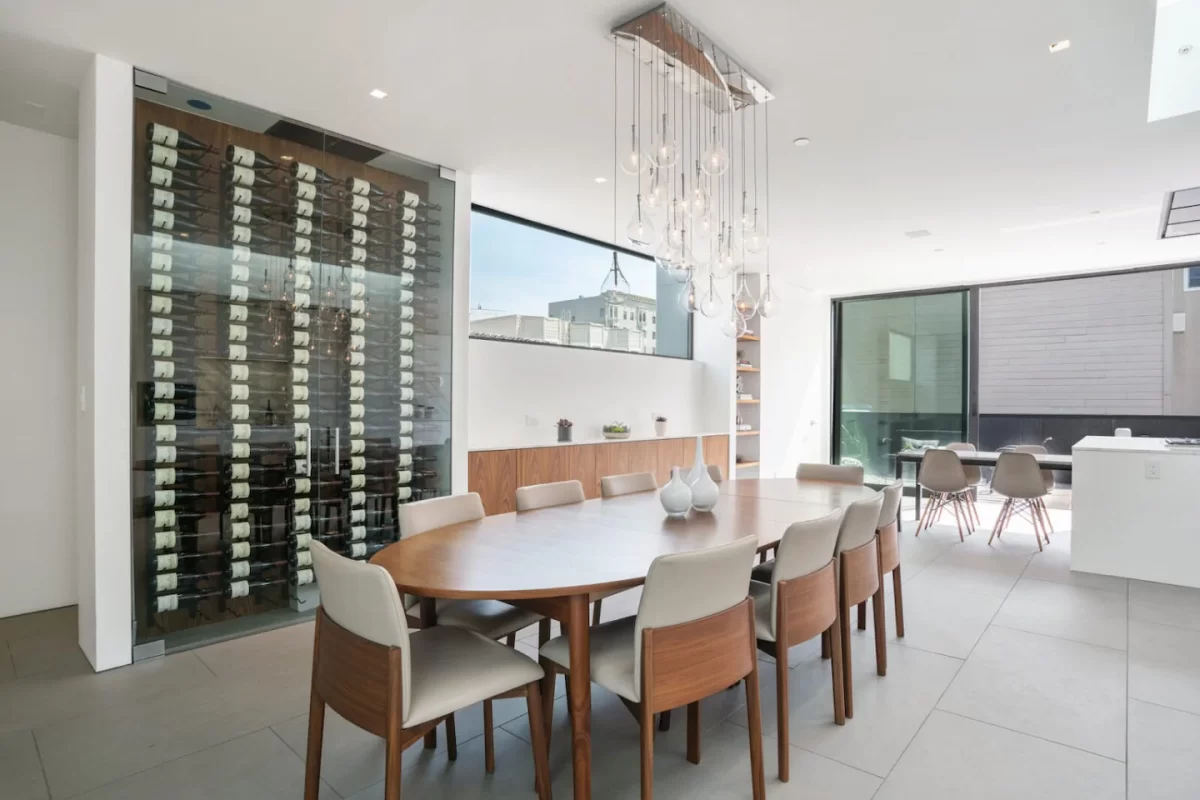
If you’re passionate about wine and want to display your collection in a stylish, modern way, a glass wine cellar might be the perfect solution. A glass wine cellar combines elegance, functionality, and sophistication, allowing you to store and showcase your wine while maintaining optimal conditions. In this guide, I’ll take you through everything you need to know about glass wine cellars, from their benefits to design considerations, costs, and maintenance tips.
İçindekiler
What Is A Glass Wine Cellar?
A glass wine cellar is a climate-controlled storage space designed to preserve and display wine collections. Unlike traditional wine cellars made of wood or stone, these cellars use glass walls to create a transparent, visually striking display. They can be built in a variety of locations, including under staircases, in basements, or even as part of a living room or dining area.
This wine cellars offer a perfect blend of functionality and aesthetics, providing an elegant way to store wine while protecting it from environmental factors that can affect its quality.
Why Choose A Glass Wine Cellar?
So, why should you opt for a glass wine cellar instead of a traditional one? Here are some key reasons:
- Aesthetic Appeal – Glass wine cellars add a modern, luxurious touch to any space.
- Visibility – Unlike solid walls, glass allows you to showcase your collection at all times.
- Customization – You can design your cellar to fit any space, from compact to expansive designs.
- Temperature Control – Proper insulation and cooling systems ensure optimal wine storage conditions.
Whether you’re a casual collector or a serious wine enthusiast, a glass wine cellar offers a beautiful and functional way to protect and display your wines.
The Aesthetic Appeal Of A Glass Wine Cellar
A glass wine cellar isn’t just about storing wine—it’s about making a statement. Imagine walking into a room and seeing a stunning, illuminated display of your favorite bottles. The transparency of glass gives a sense of openness and elegance, making your wine collection a centerpiece rather than just storage.
This wine cellars can be designed to complement any home décor, whether you prefer a sleek, modern look or a more rustic, vintage vibe. Plus, with customizable lighting and shelving, you can create a truly unique display.
Key Factors To Consider Before Building A Glass Wine Cellar
Before diving into building your glass wine cellar, there are a few critical factors to consider:
- Location – Where in your home will the cellar be placed?
- Size – How many bottles do you plan to store?
- Temperature And Humidity Control – Essential for preserving wine quality.
- Glass Type – Insulated or non-insulated?
- Budget – How much are you willing to invest?
By addressing these factors in advance, you’ll ensure that your glass wine cellar meets both your aesthetic and functional needs.
How Much Space Do You Need For A Glass Wine Cellar?
The beauty of a glass wine cellar is that it can be customized for any space. Whether you have a large basement or just a small corner in your living room, there’s an option for you.
- Small Spaces – A glass wine wall or under-staircase cellar can be a great choice.
- Medium Spaces – A walk-in glass wine cellar works well in dining rooms or kitchens.
- Large Spaces – If you have a basement or dedicated room, you can create a full-scale cellar.
The key is to design your cellar to maximize space while maintaining proper storage conditions.
Temperature And Humidity Control
Wine is sensitive to temperature and humidity changes, so maintaining the right environment is crucial. Ideally, your glass wine cellar should maintain:
- Temperature – Between 50-59°F (10-15°C)
- Humidity – Between 50-70%
To achieve this, you’ll need a high-quality cooling system and proper insulation to prevent temperature fluctuations. Not all glass is created equal. When designing a glass wine cellar, you’ll need to choose between different types of glass:
- Tempered Glass – Stronger and safer, often used for durability.
- Laminated Glass – Provides additional insulation and security.
- Low-Iron Glass – Offers improved clarity for a crystal-clear display.
Your choice will depend on your budget and the level of protection you need for your wine collection.
Insulated Vs Non-Insulated Glass
Insulated glass is the best choice for wine cellars, as it helps maintain stable temperatures. Non-insulated glass may lead to temperature fluctuations, which can negatively impact wine aging.
- Insulated Glass – Reduces energy costs and prevents condensation.
- Non-Insulated Glass – More affordable but less effective for temperature control.
For serious wine collectors, insulated glass is highly recommended.
Frameless Vs Framed Glass Wine Cellars
When designing your glass wine cellar, you’ll also need to decide between frameless and framed glass:
- Frameless Glass – Offers a sleek, minimalist look with seamless edges.
- Framed Glass – Provides additional structural support and a classic appearance.
Both options have their benefits, so it ultimately comes down to personal preference and design aesthetics.
Wine Racks And Shelving Options
Choosing the right racks and shelving is essential for both storage and display. Some popular options include:
- Metal Racks – Modern and stylish, perfect for contemporary designs.
- Wooden Shelves – Classic and elegant, great for traditional cellars.
- Floating Racks – Create a unique, visually striking display.
Your choice will depend on your overall design vision and the number of bottles you plan to store.
Lighting Options For A Glass Wine Cellar
Lighting plays a crucial role in enhancing the beauty of a glass wine cellar. Some popular lighting options include:
- LED Strip Lights – Energy-efficient and elegant.
- Recessed Ceiling Lights – Provide subtle illumination.
- Backlit Panels – Create a dramatic effect.
Avoid direct sunlight or overly bright lights, as they can damage your wine over time.
Conclusion
A glass wine cellar is an excellent choice for wine enthusiasts who want to blend style with functionality. With its sleek design and ability to maintain ideal storage conditions, it offers both a stunning display and practical preservation for your collection. By understanding the benefits, design options, costs, and maintenance requirements, you can create a wine cellar that enhances your space while keeping your wines in perfect condition.